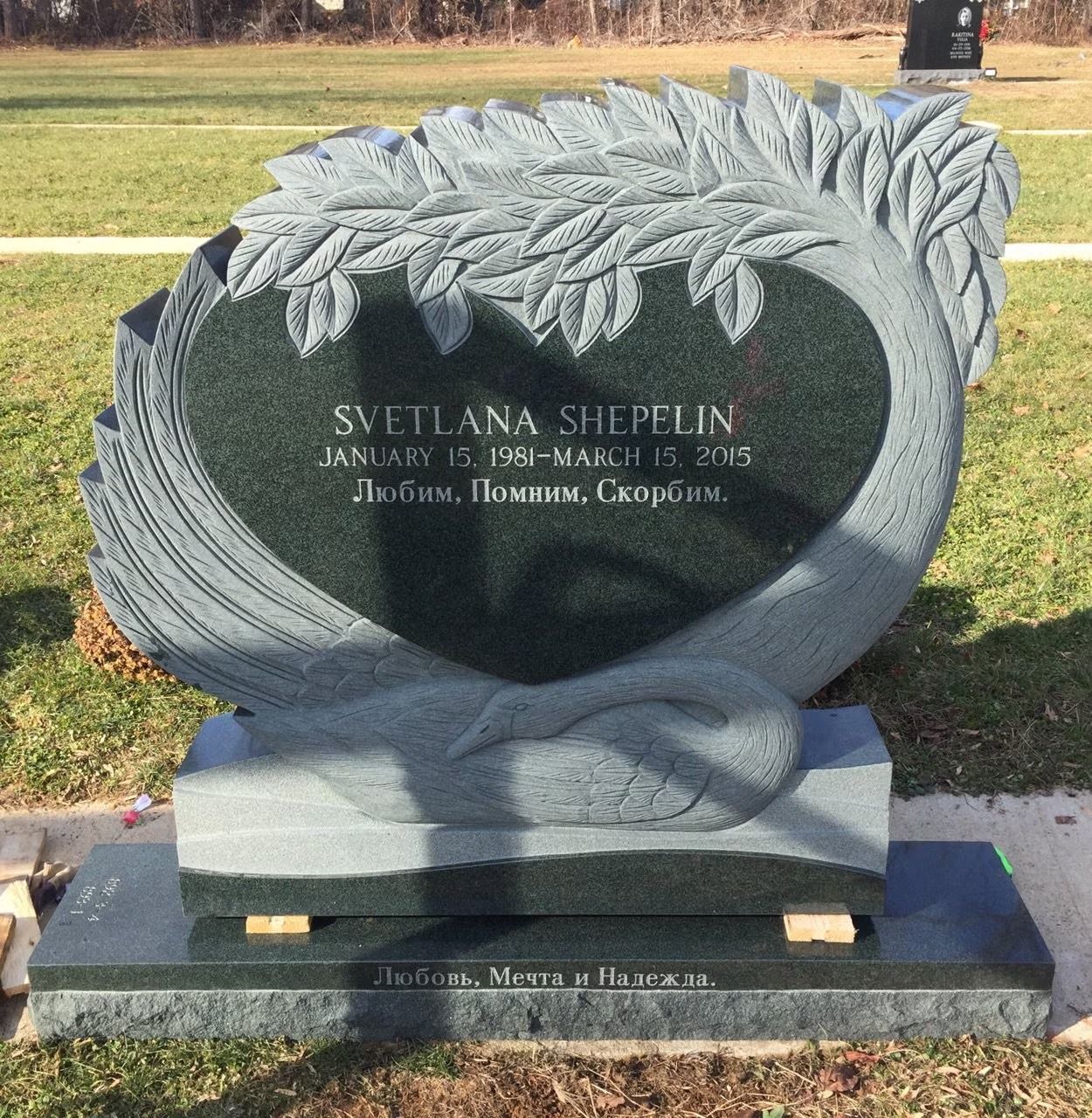
What Is Hand Carving?
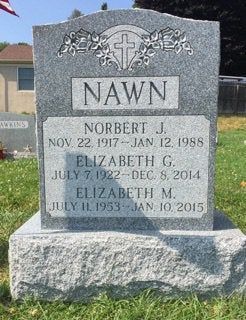
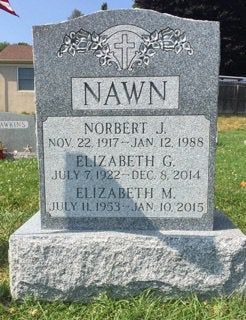
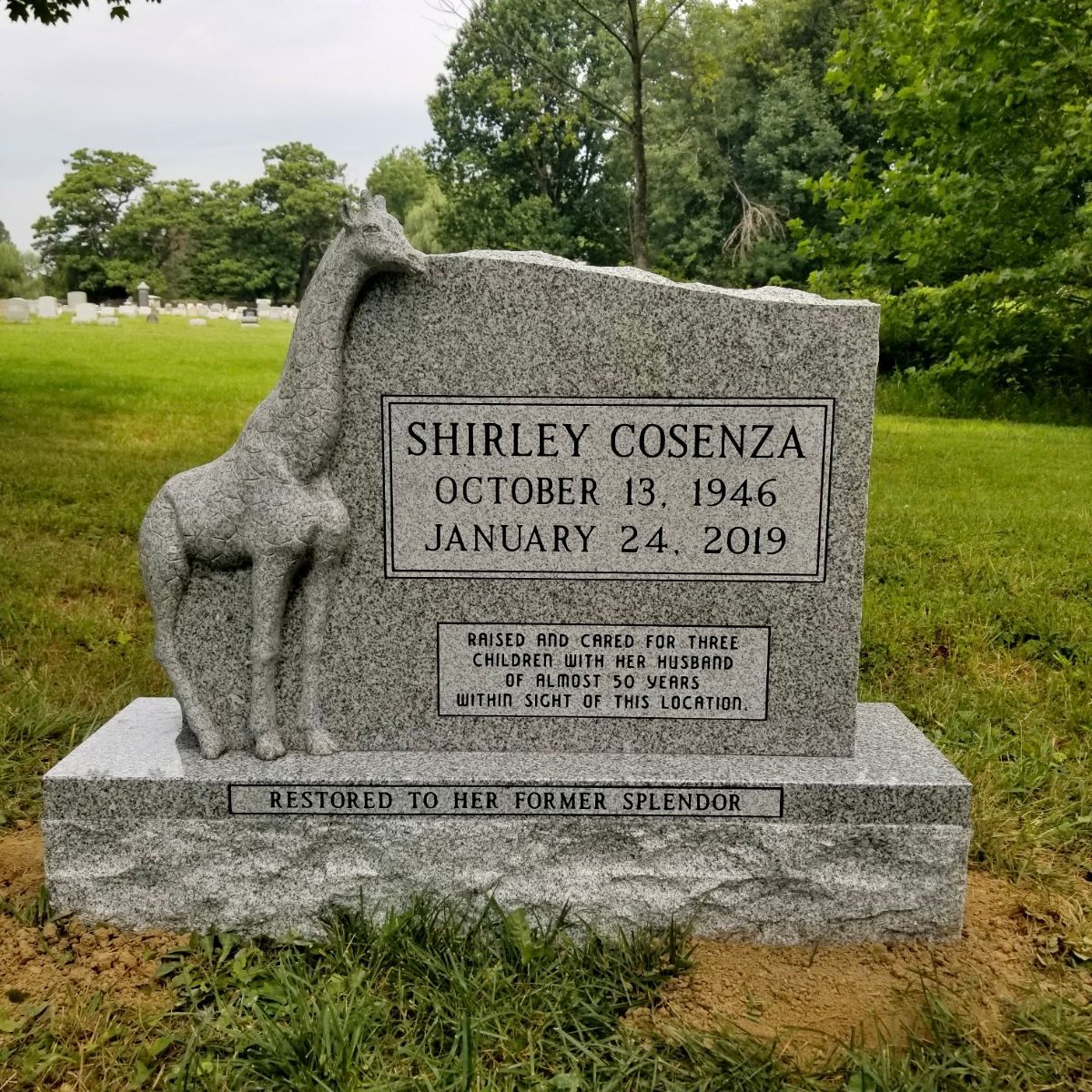
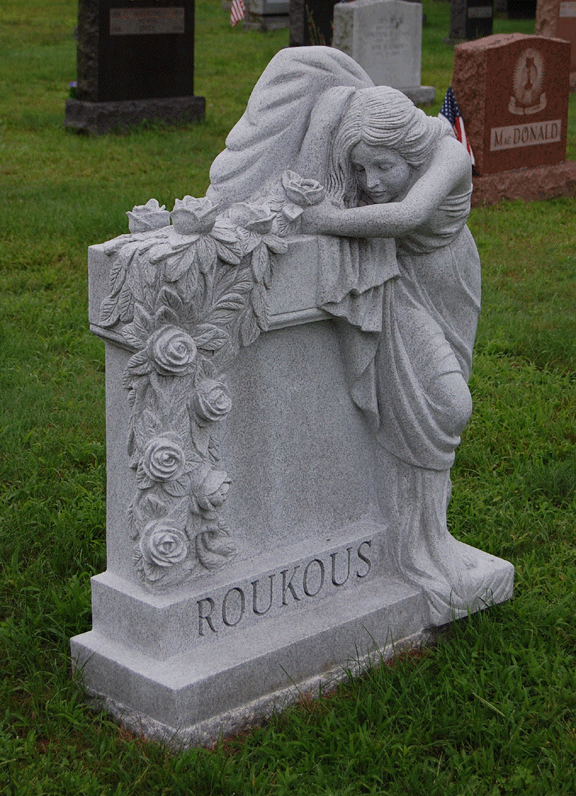
Hand carving is exactly what it sounds like. A skilled craftsperson uses chisels, grinders, and other tools to cut imagery directly into the surface of the granite or other stone. The work is done by hand, guided by experience and artistic judgment rather than a digital file.
The results have a three-dimensional quality that is distinctly different from any other form of memorial decoration. Relief carvings catch light differently depending on the angle and time of day, giving the memorial a presence and depth that changes over time. When you run your hand across a hand-carved motif, you feel the work. That tactile quality is part of what makes it so meaningful.
What Hand Carving Works Best For
- Religious symbols such as crosses, Stars of David, doves, and angels
- Nature imagery including flowers, trees, and leaves
- Military emblems and branch insignia
- Decorative borders and ornamental scrollwork
- Custom portraits carved in relief
- Personalized motifs that reflect a specific hobby, passion, or identity
Hand carving is particularly well suited for imagery that benefits from dimension and shadow. A rose in relief looks different from a rose in a photograph, and many families find the sculptural quality more fitting for a permanent memorial.
What Is Laser Etching?
Laser etching uses a focused beam of light to remove a thin layer of stone surface, creating a contrast that renders an image in remarkable photographic detail. The technique is especially effective on dark polished granite, where the lighter etched area stands out sharply against the stone.
The precision of laser etching is its defining characteristic. A detailed photograph can be rendered on the stone with a level of accuracy that hand tools cannot match. Every line, shadow, and expression in a portrait can be captured with clarity. The resulting image is essentially permanent, sealed within the surface of the stone itself.
What Laser Etching Works Best For
- Portrait photographs of the deceased
- Scenic images such as landscapes, seascapes, or meaningful locations
- Detailed illustrations or artwork
- Signatures and handwritten text rendered from an original document
- Pet portraits
- Complex imagery with fine gradations of tone
Laser etching is the better choice when photographic likeness is the priority. If a family wants the face of their loved one on the memorial stone and wants it to look like a photograph, laser etching is the technique that makes that possible.
How the Two Techniques Compare
Appearance
Hand carving produces sculptural, three-dimensional results. The imagery exists in physical relief on the surface of the stone. Laser etching produces a flat, high-contrast image with photographic detail. Both are beautiful, but they have a fundamentally different visual character.
Subject Matter
Hand carving tends to suit symbolic and decorative imagery: emblems, florals, religious motifs, and stylized portraits. Laser etching tends to suit photorealistic imagery: photographs, detailed portraits, and scenes with tonal gradation.
Touch
Hand-carved elements can be felt on the stone surface. Laser-etched images are smooth to the touch, existing as a change in the surface rather than a removal of material in depth.
Durability
Both techniques are durable when executed well and when the stone is properly maintained. Laser etching on polished dark granite holds up especially well over time. Hand carving is similarly permanent, though deeply carved elements can occasionally accumulate debris that requires periodic cleaning.
Cost
Both services vary in price depending on the complexity and size of the work. Hand carving is often more labor-intensive for complex imagery, while laser etching costs can scale with the size and detail of the image. The best approach is to discuss your specific vision with our team and we will provide an accurate estimate for both options.
Can You Use Both on the Same Memorial?
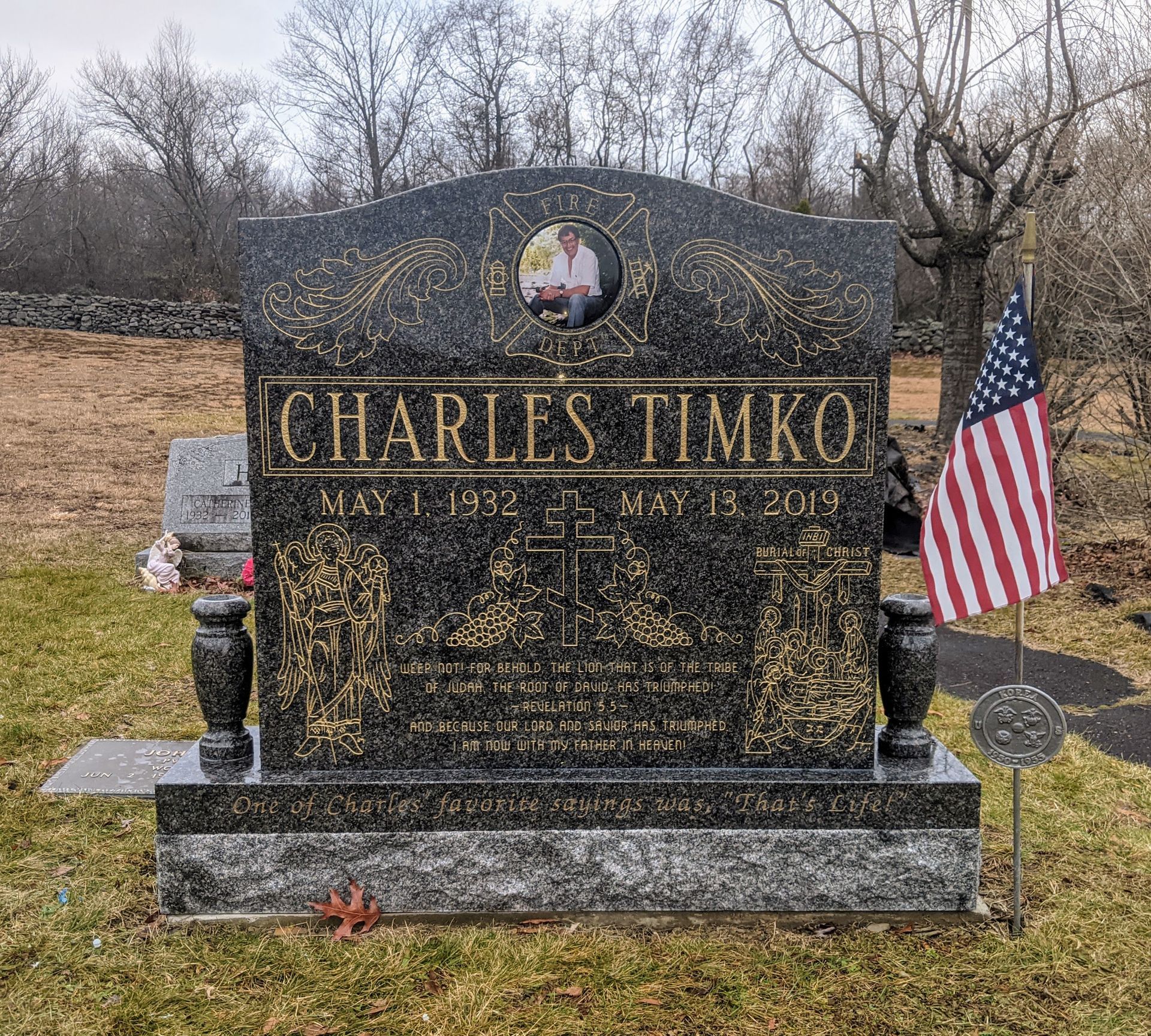
Yes, and many families do. A monument might feature hand-carved decorative borders or a religious symbol alongside a laser-etched portrait of the person being honored. The two techniques complement each other, and combining them allows a memorial to carry both artistic craftsmanship and photographic likeness in a single piece.
At Montrose Memorials, we discuss both options with every family considering imagery on their memorial. Our goal is to help you understand what each technique can achieve so you can make the choice that best reflects your loved one.
How to Decide
A few questions can help guide the decision:
- Do you have a photograph you want reproduced on the stone? Laser etching.
- Do you want a symbol, emblem, or decorative element with physical dimension? Hand carving.
- Do you want both a portrait and decorative elements? Consider combining the two.
- Are you working with a tight budget? Discuss both with us — complexity and size affect cost for each technique.
There is no universally correct answer. The right technique is the one that produces the memorial your family will be proud of for generations.
Talk to Our Team
Montrose Memorials has been working with Delaware County and Philadelphia-area families for more than 100 years. Our team can walk you through examples of both hand carving and laser etching work, discuss your specific design ideas, and help you arrive at a decision that feels right. There is no obligation in reaching out, and no pressure in the conversation.
Call us at (610) 789-2988 or visit us at 8500-8504 West Chester Pike in Upper Darby to get started.