Headstones, grave markers, and monuments are often used interchangeably in conversation, but they are not the same thing. Understanding the distinctions between them can help you make a more informed decision and ensure the memorial you choose truly fits your vision, your budget, and the requirements of the cemetery.
Why the Terminology Matters
The words used to describe memorials carry real meaning in the monument industry. Choosing the wrong type for a particular cemetery, or misunderstanding what a term includes, can lead to delays, additional costs, or disappointment after installation. Taking a few minutes to understand what each term refers to puts you in a much stronger position as you begin the selection process.
What Is a Headstone
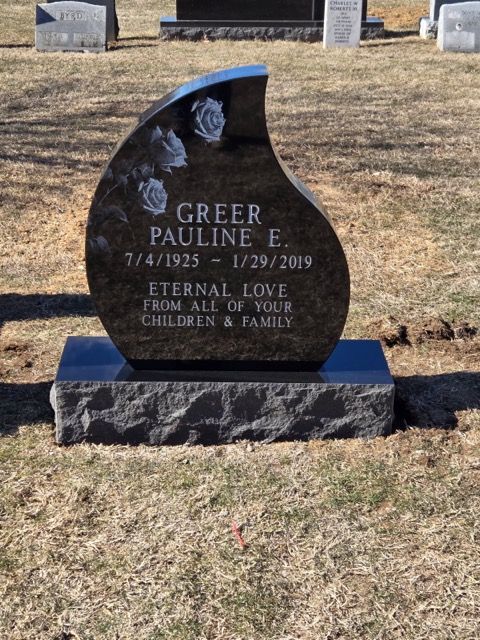
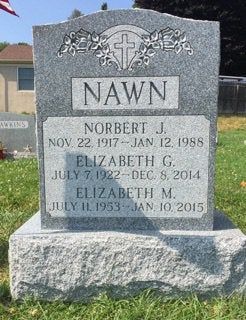
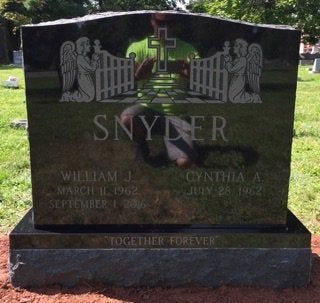
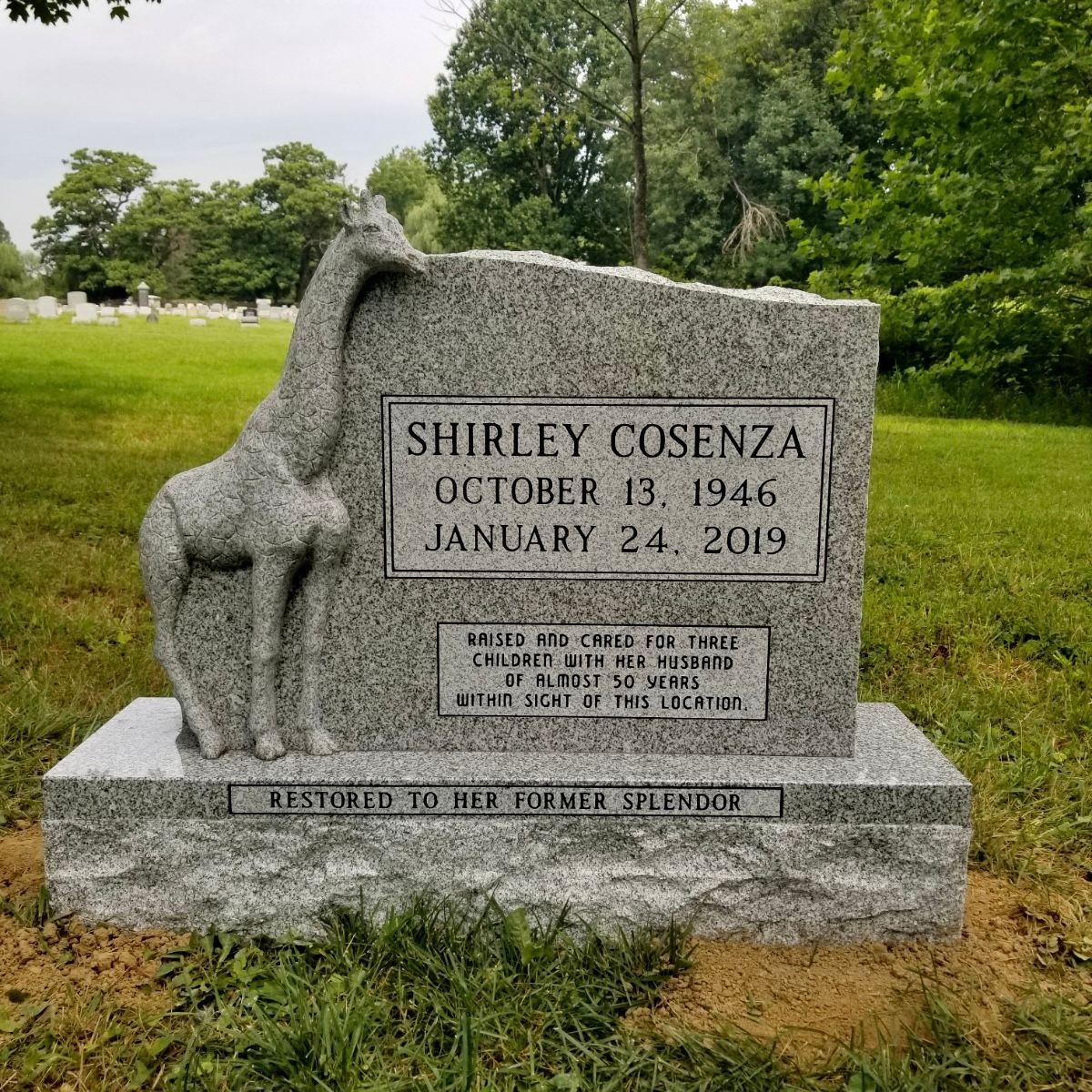
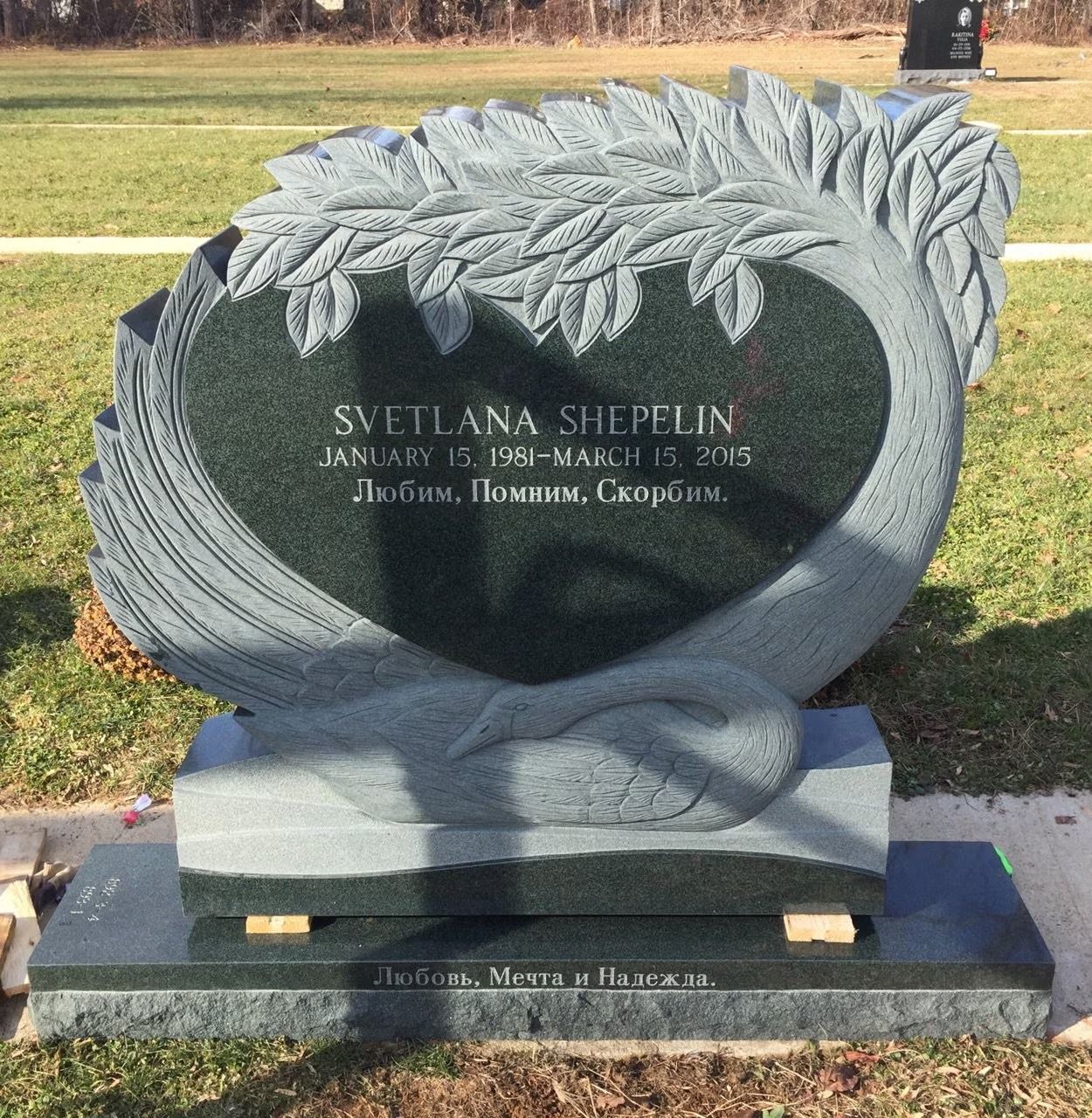
A headstone is an upright stone marker placed at the head of a grave. It is the image most people picture when they think of a cemetery memorial: a vertical slab of stone engraved with a name, dates, and often a brief inscription or symbol. Headstones have been used for centuries across many cultures and religious traditions, and they remain one of the most common forms of grave marking today.
Headstones are typically made from granite, marble, or other durable stone. Granite is by far the most widely used material because of its hardness, weather resistance, and broad range of available colors. The face of a headstone can be polished smooth for engraving or left with a natural rough texture for a more organic appearance. Many families also incorporate custom-designed elements such as religious imagery, floral motifs, or portraits to make the memorial uniquely personal.
Not every cemetery permits upright headstones. Some require flat markers only, which is why working with a monument provider familiar with local regulations is always a wise first step.
What Is a Grave Marker
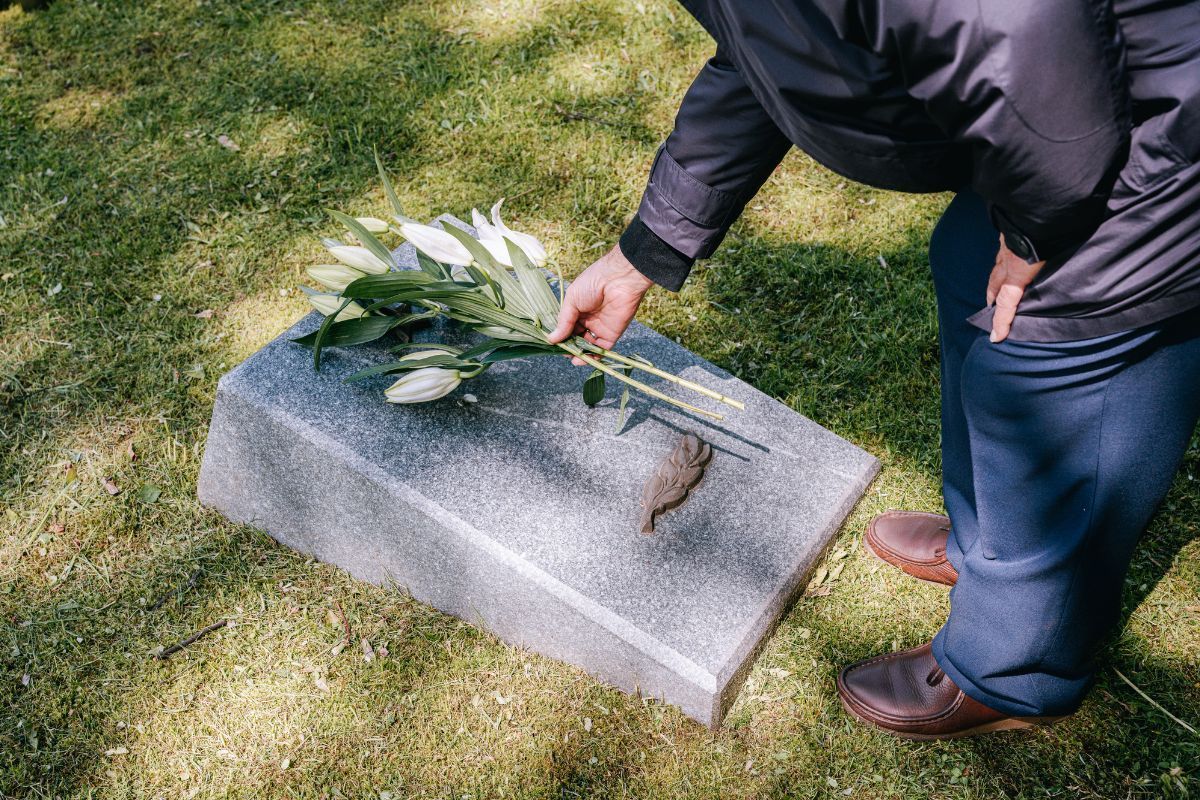
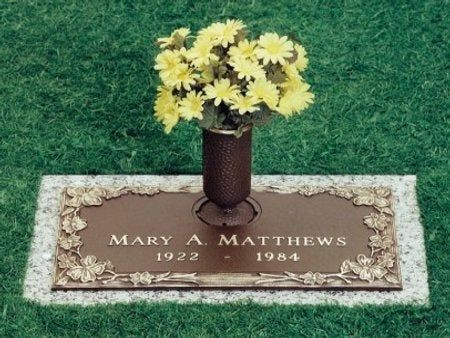
A grave marker is a broader term that refers to any object used to identify the location of a burial. This includes flat markers, which lie flush with the ground or sit just slightly above the surface. Flat grave markers are common in park-style cemeteries that prefer a more uniform, manicured appearance across the grounds.
Grave markers can be made from stone or bronze. Bronze markers are a popular choice for flat installations because of their durability, their resistance to weathering, and the refined appearance they bring to a gravesite. A bronze marker is typically mounted on a granite base and can be engraved with as much or as little detail as the family wishes.
Flat grave markers are often more affordable than upright monuments, which makes them a practical option for families working within a tighter budget. They can still be deeply meaningful and beautifully crafted.
Veteran and Government-Issued Markers
It is worth noting that the federal government provides free grave markers for eligible veterans. These are a specific type of flat grave marker available in granite or bronze. Families who choose a government-issued marker may also elect to add a privately purchased companion marker or additional memorial elements nearby, depending on what the cemetery allows.
What Is a Monument
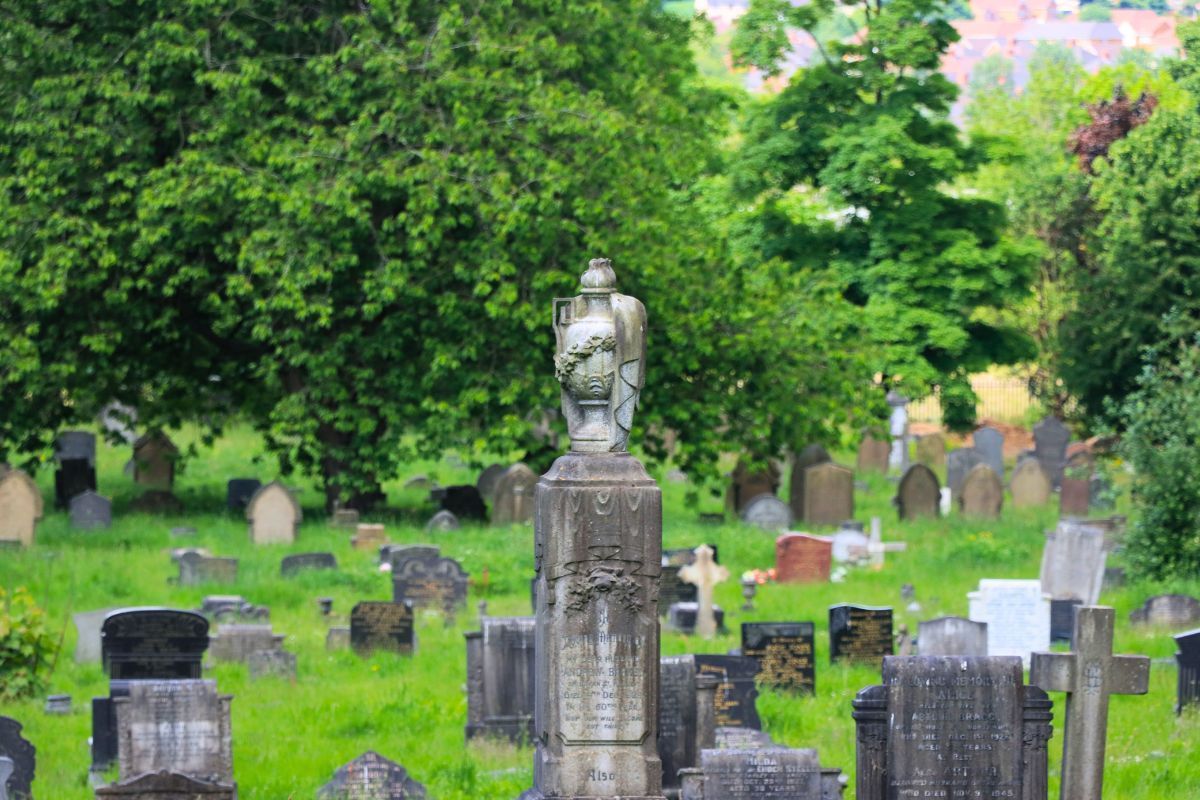
The term monument typically refers to a larger, more elaborate memorial structure. While a headstone is usually a single upright slab, a monument may incorporate multiple components: an upright die, a base, a middle section, and sometimes additional decorative elements such as columns, statues, or benches.
Monuments are often chosen for family plots, where a single large structure honors multiple members across generations. They make a more commanding visual statement and allow for greater creative scope in terms of design and hand-carvings that reflect a family's heritage, faith, or values.
Because of their size and complexity, monuments typically require more time to design, fabricate, and install. They are also subject to stricter cemetery regulations in terms of height, footprint, and anchoring requirements. An experienced monument company will handle all of that coordination on your behalf.
Choosing the Right Option for Your Family
There is no universally correct choice between a headstone, a grave marker, and a monument. The right option depends on several factors working together: the rules of the cemetery, your personal vision for the memorial, the number of individuals being honored, and your budget.
Families who want something modest, elegant, and affordable may find that a flat bronze or granite marker meets every need. Those who want an upright memorial with space for meaningful imagery and text will likely gravitate toward a traditional headstone. Families with a multi-generational plot or a desire for something truly striking may consider a full monument.
What all three options have in common is the opportunity for genuine personalization. Whether through etchings that render a beloved portrait in stone, carefully chosen inscriptions, or a custom silhouette that speaks to a life well lived, the memorial you select can be as individual as the person it honors.
Let Experience Guide You
With more than 100 years of service to families throughout the Philadelphia region, Montrose Memorials has helped countless families navigate exactly these decisions. Their team understands both the emotional and practical dimensions of choosing a memorial and is ready to answer every question you have. When you are ready to explore your options, connect with their team for a free, no-obligation estimate and let them help you find the right fit.