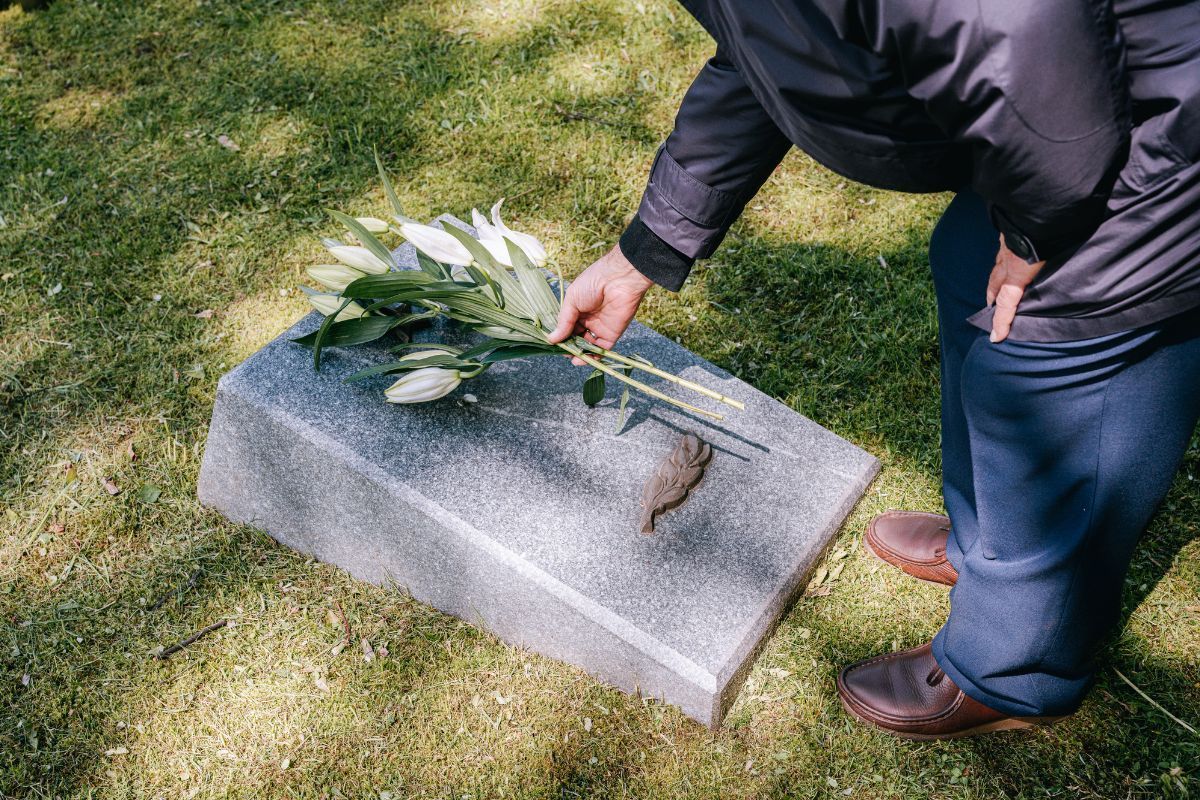
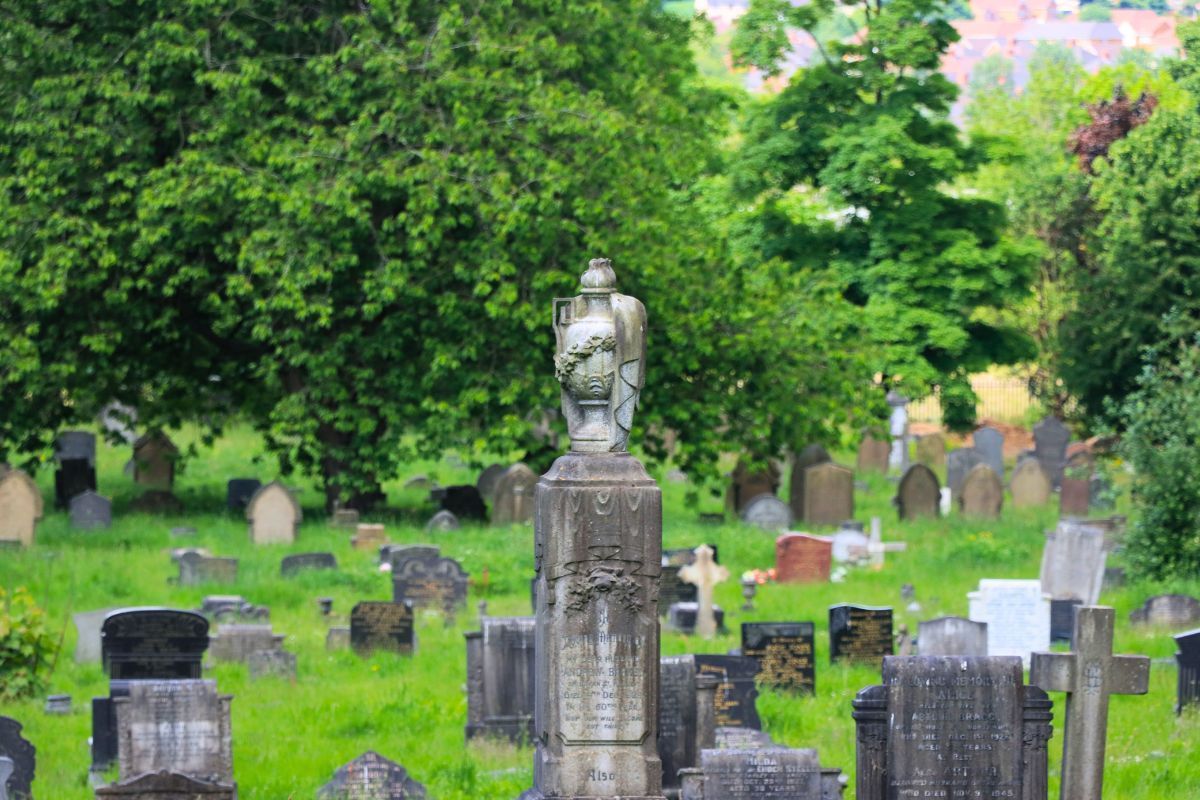
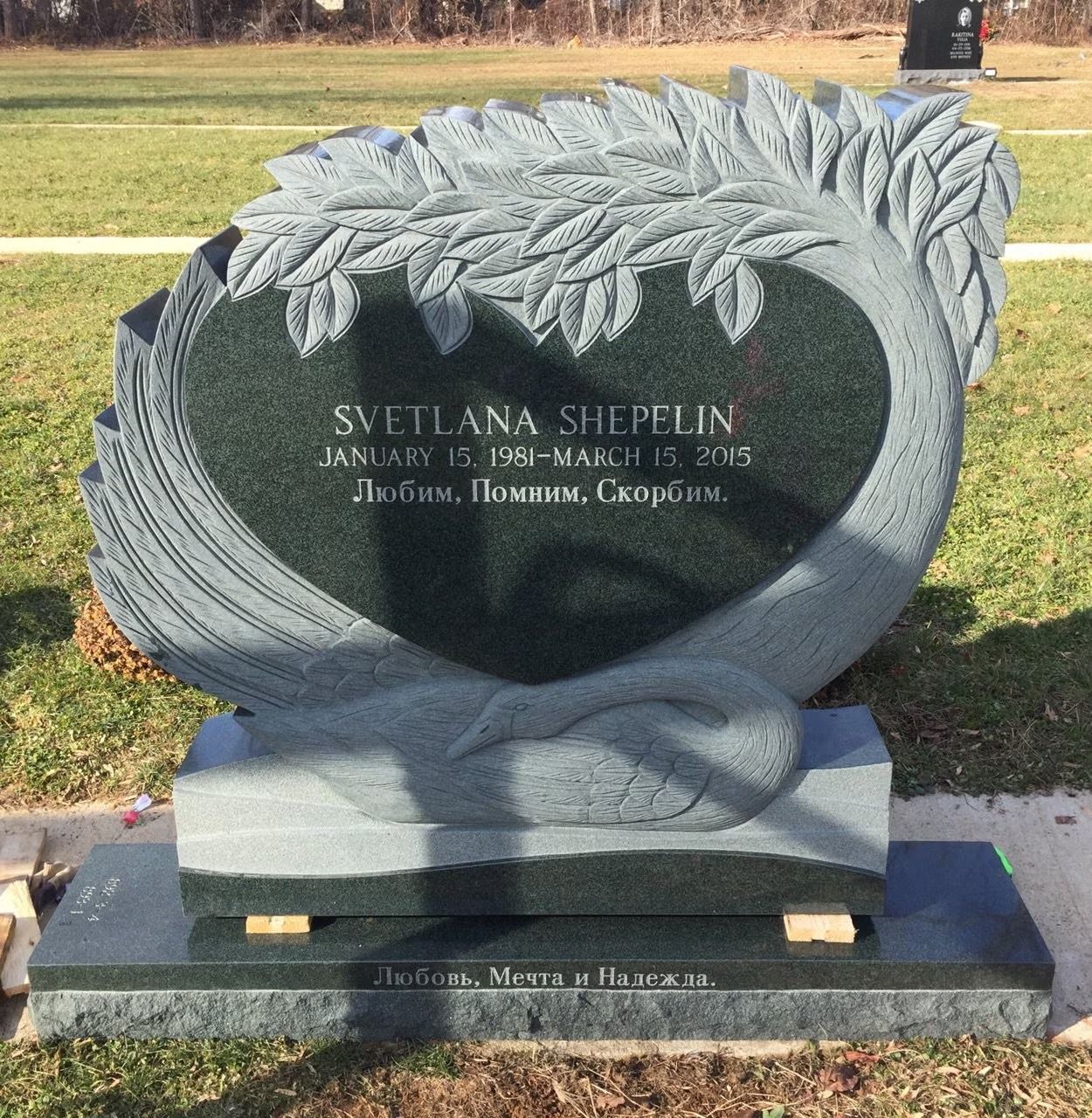
Two options stand above the rest in terms of popularity, durability, and versatility: granite and bronze. Both have been trusted by families for generations, and both can produce a beautiful, meaningful tribute. Understanding the differences between them will help you make a choice that feels right for your family, your budget, and the cemetery where your loved one rests.
A Question Worth Taking Seriously
Material selection is not a purely aesthetic decision. The material you choose affects how the memorial looks on the day it is installed, how it weathers over years and decades, what kind of personalization it can support, and how much maintenance it will require over time. Taking the time to understand each option before committing is always worthwhile.
Granite: Timeless Strength and Versatility
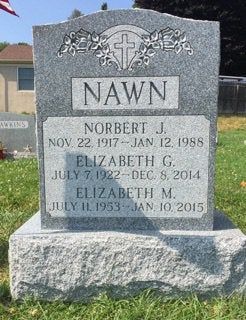
Granite has been the dominant material in the American monument industry for well over a century, and its popularity is no accident. It is one of the hardest natural stones on earth, which makes it extraordinarily resistant to weathering, chipping, and general wear. A properly installed granite monument can last for hundreds of years with minimal maintenance, making it one of the most reliable ways to ensure a loved one's memory endures.
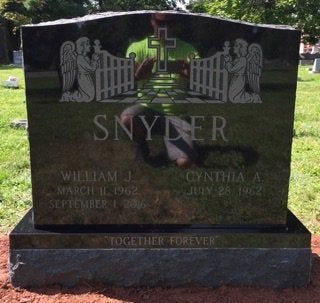
One of granite's greatest strengths is the sheer range of options it offers. It is available in dozens of colors quarried from locations around the world. Classic choices include jet black, salt and pepper gray, and warm rose tones. More distinctive options include deep blue-black, forest green, and rich mahogany varieties sourced from domestic and imported stone suppliers. Each color has its own unique veining and texture, which means no two granite monuments are ever truly identical.
Granite also accepts a wide range of surface treatments. It can be polished to a high gloss for crisp engraving contrast, left with a natural rough texture, or finished with a combination of both. This flexibility makes granite an excellent canvas for detailed personalization work.
Personalization Possibilities With Granite
Because granite provides such a firm, consistent surface, it supports virtually every form of artistic memorial work. Families who want a photographic portrait rendered in stone will find granite an ideal base for etchings, which use precision techniques to produce remarkably lifelike images directly on the polished surface.
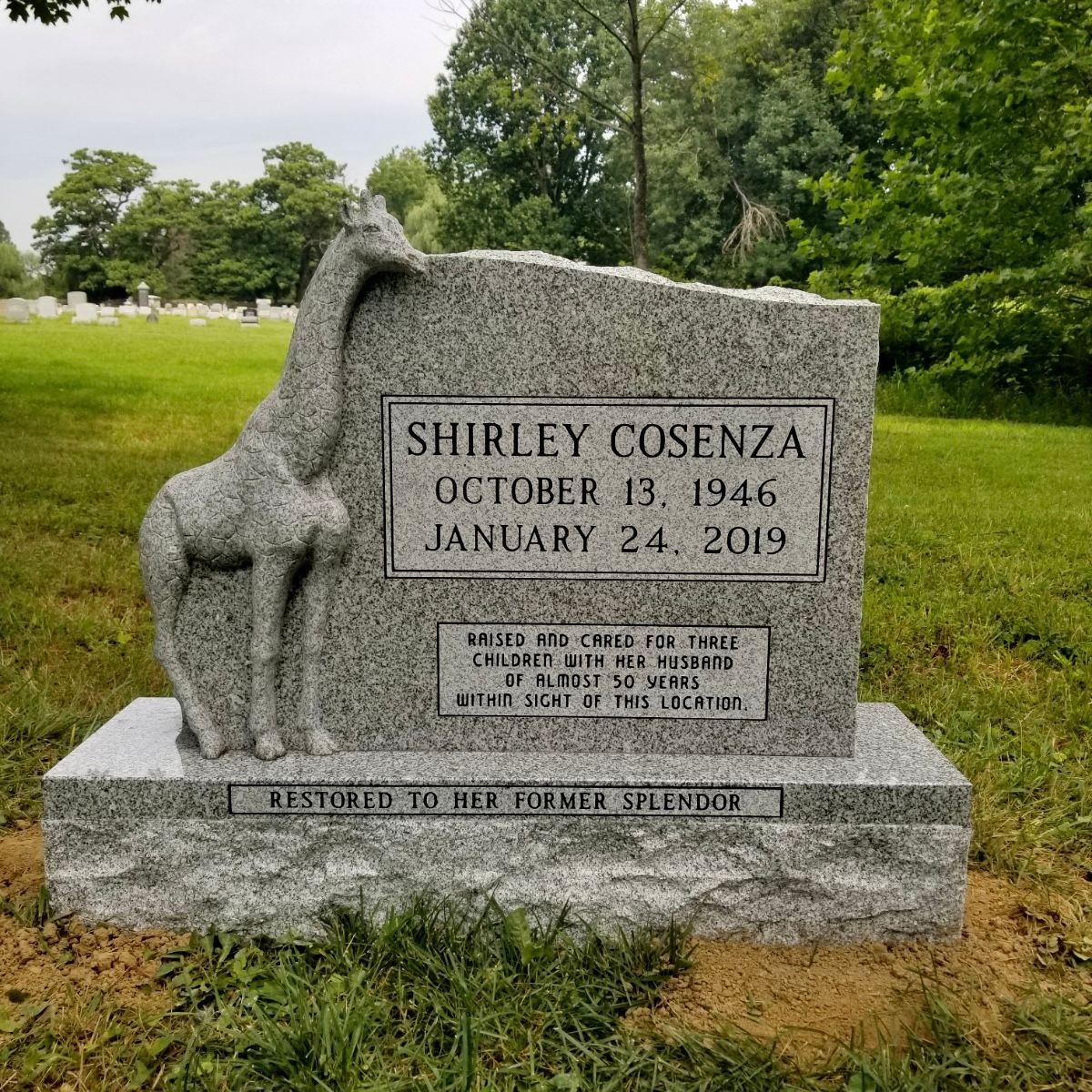
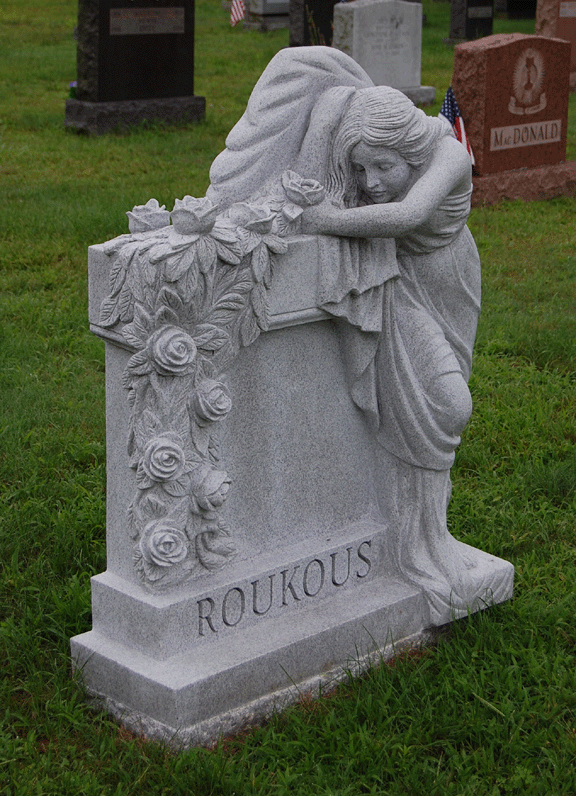
For families drawn to more sculptural expressions of remembrance, granite also supports detailed hand carvings that can incorporate religious symbols, nature imagery, custom lettering, or scenes that speak to the personality and passions of the person being honored. The depth and permanence of carved granite gives these elements a presence that endures through generations.
Bronze: Refined Elegance With a Distinct Aesthetic
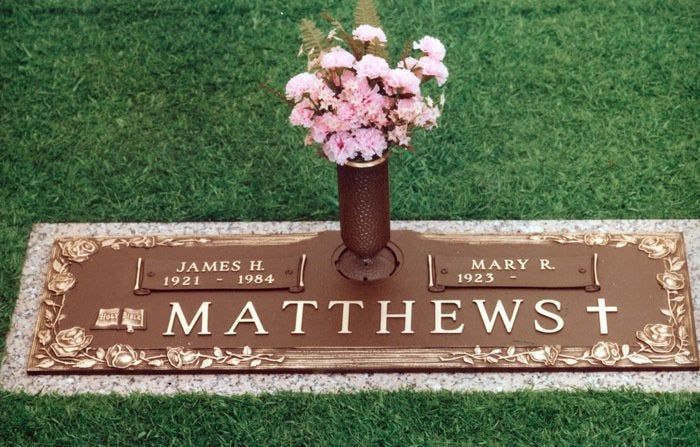
Bronze has a long and distinguished history as a memorial material, dating back thousands of years across many cultures. In the modern cemetery context, bronze markers are most commonly used as flat memorials mounted on a granite base, though bronze plaques can also be incorporated into upright monuments as accent elements.
The appeal of bronze lies in its warm, golden tone and the sense of distinction it brings to a gravesite. Over time, bronze develops a natural patina, a subtle darkening of the surface that many families find deeply beautiful and evocative of the passage of time. Bronze markers can be finished to maintain a brighter appearance or allowed to age naturally, depending on personal preference.
Bronze is also exceptionally durable. It resists corrosion well and holds engraved text and imagery with remarkable clarity for decades. Many cemeteries that restrict upright monuments permit flat bronze markers, making bronze an excellent solution when cemetery regulations limit your options.
When Bronze Makes the Most Sense
Bronze tends to be the preferred choice in park-style cemeteries that require flush-to-the-ground markers for easier maintenance of the grounds. It is also a popular option for veterans' memorials, family mausoleums, and columbarium niches where a flat plaque is the appropriate format.
Families who want a more understated, horizontal presentation rather than a vertical upright stone often find that bronze delivers the refined look they are after. The material pairs beautifully with granite bases and can accommodate detailed inscriptions along with decorative borders, emblems, and imagery.
Comparing the Two Side by Side
Both materials are durable and long-lasting when properly crafted and installed. Granite offers more versatility in terms of size, shape, and three-dimensional design work. Bronze offers a distinct aesthetic and is better suited to flat memorial applications. Granite tends to have a lower starting price point for upright monuments, while bronze markers can be a cost-effective solution for flat installations.
Maintenance is relatively minimal for both. Granite benefits from occasional cleaning to remove biological growth like moss or lichen, particularly in shaded cemetery settings. Bronze may require periodic polishing if families want to maintain a brighter finish rather than allowing the natural patina to develop.
Neither material is universally superior. The right choice depends on the cemetery's requirements, your personal vision, the format of the memorial, and what feels most fitting for the person you are honoring.
Let the Experts Help You Decide
Choosing between granite and bronze does not have to be a difficult decision when you have experienced guidance. The team at Montrose Memorials has helped families throughout the Philadelphia region navigate exactly this choice for more than 100 years. They can walk you through material samples, share examples of completed work in both granite and bronze, and help you find the option that best honors your loved one's memory. When you are ready to take the next step, reach out to their team for a free, no-obligation estimate.