
What Is a Slant Marker? A Family Guide to This Popular Memorial Style

Montrose Memorials • August 25, 2026

Share this article

When families begin exploring memorial options for a loved one, they often discover that the world of monuments is far more varied than they initially expected. Beyond the classic upright headstone, there are flat markers, pedestal monuments, benches, and a style that has grown steadily in popularity across Pennsylvania and the greater Philadelphia area: the slant marker. If you have walked through a cemetery recently and noticed low-profile stones with a gently angled face, you have likely seen slant markers in person without necessarily knowing what they were called.

This guide explains what slant markers are, why families choose them, and what to consider when deciding if this style is the right fit for your loved one.

What Exactly Is a Slant Marker?

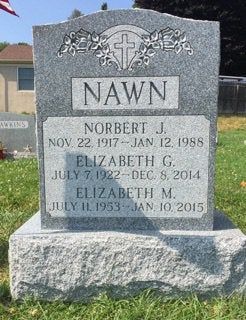
A slant marker, sometimes called a slant headstone or pillow marker, is a ground-level monument with a thick base that angles upward from back to front, creating a sloped face that tilts toward the visitor. Unlike an upright headstone, which stands vertically, a slant marker sits low to the ground and presents its inscription at an angle that makes it easy to read while standing in front of it.

Slant markers are typically cut from a single piece of granite and are available in a range of sizes. They are generally wider than they are tall, giving them a sturdy, settled appearance that complements both traditional and contemporary cemetery landscapes.

Why Families Choose Slant Markers

There are several reasons why slant markers have become one of the most commonly selected memorial styles in the Philadelphia region and across Pennsylvania.

A Balance Between Visibility and Simplicity

Slant markers occupy a pleasing middle ground between the commanding presence of a tall upright monument and the quiet subtlety of a flat grave marker. They are visible from a distance without dominating the landscape, making them a fitting choice for families who want their loved one's memorial to be easy to find and read without being overly imposing.

Cemetery Compatibility

Many cemeteries in the greater Philadelphia area have regulations that restrict or prohibit full upright monuments, particularly in newer sections designed to maintain a uniform, low-profile appearance. Slant markers are widely accepted across a broad range of cemetery types, including many memorial parks that do not permit traditional upright headstones. This flexibility makes them a practical choice for families who want something with more dimension than a flat marker but need to stay within cemetery guidelines.

Surface Area for Personalization

The angled face of a slant marker provides a generous surface for inscriptions, making it well suited for families who want to include a name, dates, a meaningful verse, and decorative elements all within a single, cohesive design. The sloped surface also catches light in a way that makes lettering and artwork particularly easy to read.

Design Options for Slant Markers

One of the most appealing aspects of slant markers is how well they lend themselves to personalization. The smooth, angled face is an ideal canvas for a wide range of design approaches.

Etched Portraits and Imagery

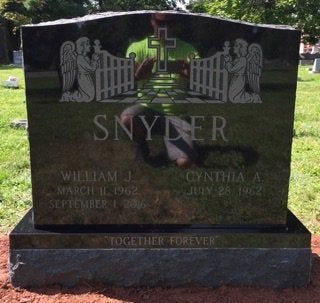
Laser etchings translate beautifully onto the polished surface of a granite slant marker. Families often choose to include a portrait of their loved one, a meaningful scene from nature, a religious symbol, or imagery that reflects a passion or hobby. The clarity and detail achievable through etching make this one of the most moving ways to personalize a memorial.

Hand Carving

For families drawn to a more artisan aesthetic, hand carvings bring a sculptural dimension to the stone that sets it apart. A skilled carver can create relief designs, dimensional borders, or intricate motifs that give the marker a depth and texture that etching alone cannot achieve.

Color and Stone Selection

Slant markers are available in many of the same granite colors as upright monuments. Darker stones such as black, charcoal, or deep blue provide strong contrast for light-colored lettering and imagery, while lighter grays and pinks offer a softer, more traditional appearance. Choosing the right stone color is as much about personal taste as it is about the visual effect of the finished design.

What to Consider Before Choosing a Slant Marker

Before committing to a slant marker, there are a few practical considerations worth reviewing. First, confirm with the cemetery that slant markers are permitted in the specific section where your loved one is interred, and ask whether there are size limitations. Second, think about whether you anticipate adding a second name to the marker in the future, as this may influence the size and layout of the initial design. Third, consider how the marker will look over time. Granite is a highly durable material that holds up well through Pennsylvania's variable climate, but the finish and design details you choose will affect how the stone ages.

If you already have a monument in place and are wondering about adding or updating an inscription, a professional provider can assess what is possible and advise on the best approach.

Finding the Right Memorial for Your Family

Choosing a memorial is a deeply personal process, and there is no single style that is right for every family or every situation. Slant markers are a beautiful and versatile option, but the most important thing is finding a memorial that genuinely reflects the person you are honoring.

The team at Montrose Memorials has guided Philadelphia-area families through this process for more than a century, offering thoughtful guidance and expert craftsmanship at every step. If you would like to explore whether a slant marker or another style is the right choice for your loved one, the Montrose Memorials team is ready to help. Connect with them today for a free, no-obligation estimate.

Recent Posts

By Montrose Memorials August 25, 2026
What Philadelphia-area families should know about cemetery headstone regulations, from size and material restrictions to foundation requirements, before choosing a monument.
Granite vs. Bronze: Which Memorial Material Should You Choose
By FCM Management July 22, 2026
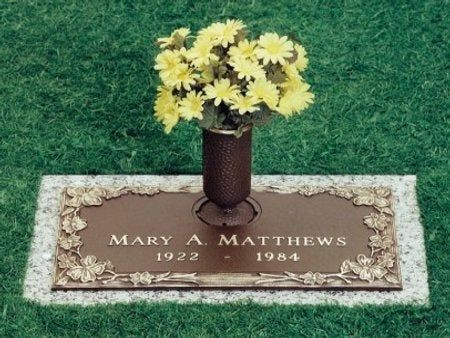
Material selection is not a purely aesthetic decision. The material you choose affects how the memorial looks on the day it is installed, how it weathers over years and decades, what kind of personalization it can support, and how much maintenance it will require over time.
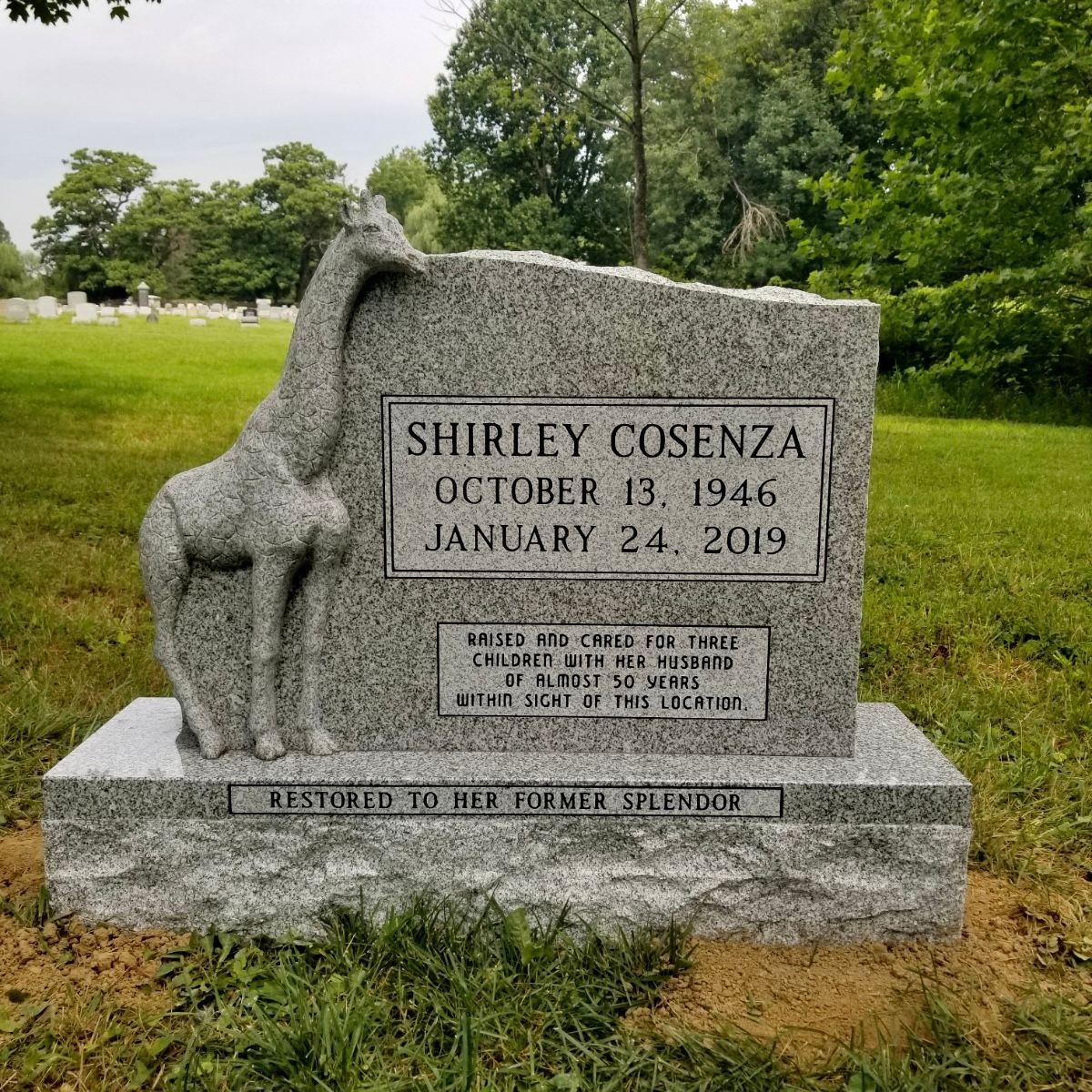
Design and Install Custom Headstone
By FCM Management July 22, 2026
For a custom headstone, families should generally expect the full process from initial design consultation through completed installation to take anywhere from six to twelve weeks. In some cases, particularly for more intricate designs or during busy seasons, the timeline may extend further. Simpler memorials with stan
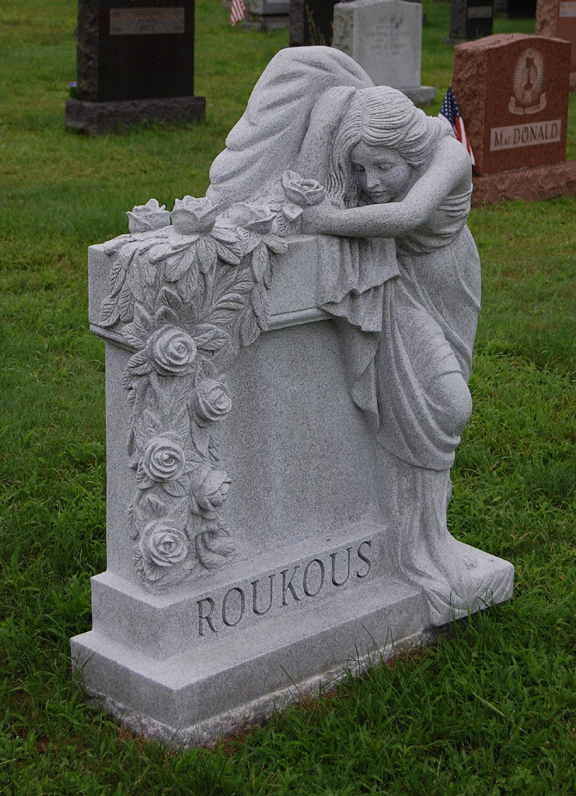
Headstones, Grave Markers, and Monuments
By FCM Management July 7, 2026
Understanding the distinctions between headstones, grave markers, and monuments can help you make a more informed decision and ensure the memorial you choose truly fits your vision, your budget, and the requirements of the cemetery.
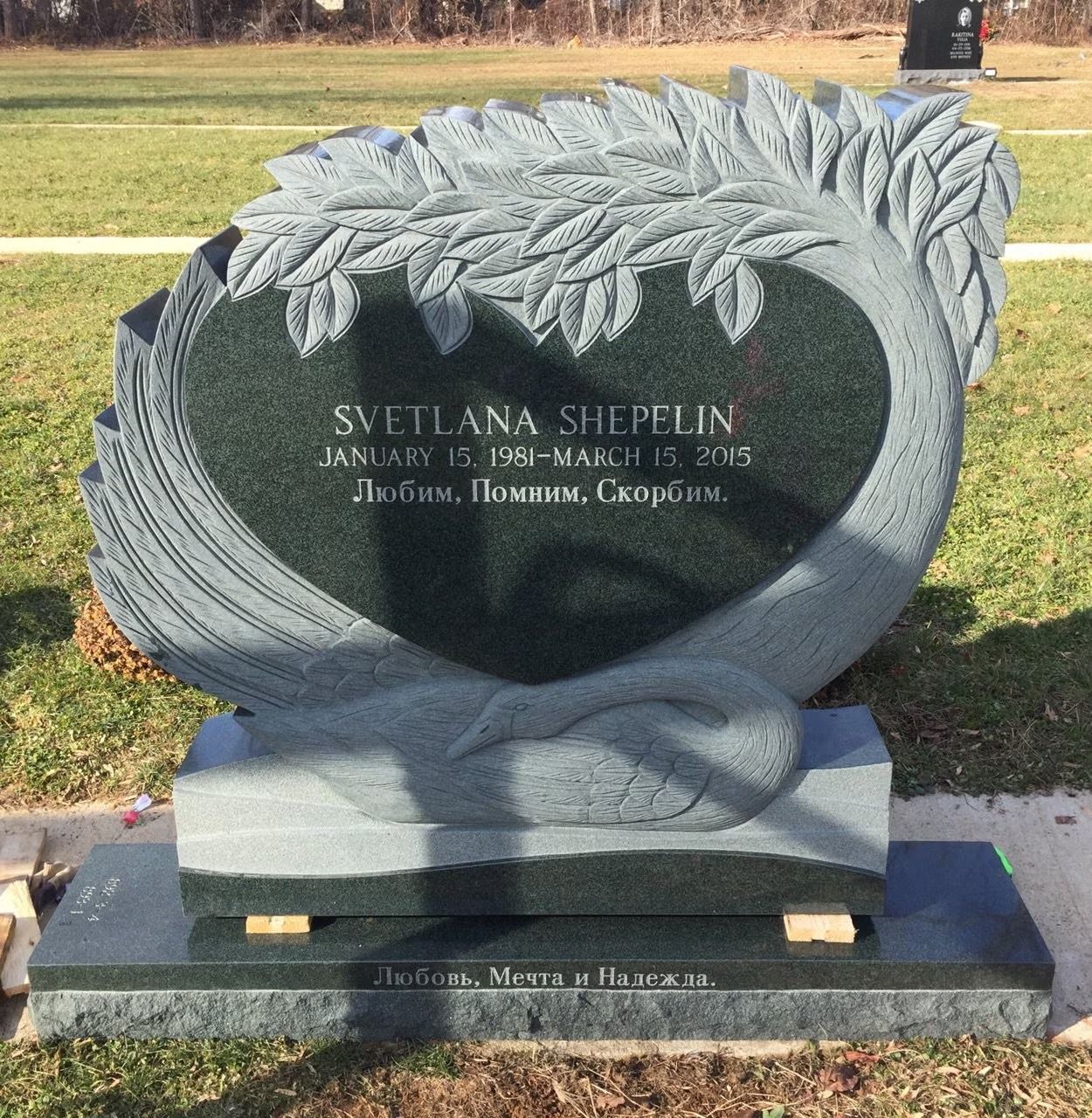
Choosing a Headstone or Monument
By FCM Management July 7, 2026
Working with a monument company that is deeply familiar with local cemetery regulations makes this step significantly less stressful.