
Cemetery Rules for Headstones in the Philadelphia Area: What Families Should Know

Montrose Memorials • August 25, 2026

Share this article

When a family begins the process of selecting a headstone or monument for a loved one, the focus naturally falls on design, material, and meaning. But before any of those decisions can be finalized, there is a practical reality that must be addressed: cemetery regulations. In the Philadelphia area, headstone rules vary significantly from one cemetery to the next, and understanding these guidelines early in the process can save families considerable time, expense, and stress.

Why Cemetery Regulations Exist

Cemeteries establish monument regulations for several reasons. Uniformity of appearance, structural safety, and long-term maintenance all factor into the rules a cemetery sets for the memorials placed within its grounds. Some cemeteries maintain a traditional, formal aesthetic and require monuments that conform to strict size and style standards. Others are more flexible, allowing for greater personalization in design and material.

Regardless of the reason behind them, these rules are binding. A monument that does not meet a cemetery's specifications may be rejected after purchase, requiring costly modifications or, in some cases, an entirely new stone. This is why it pays to understand the rules before you begin shopping.

Common Types of Cemetery Regulations

While every cemetery in the Philadelphia region has its own set of guidelines, certain categories of regulation appear across most of them.

Size and Height Restrictions

Most cemeteries specify acceptable dimensions for monuments, including maximum height, width, and thickness. Upright headstones are typically held to stricter size limits than flat markers. Some cemeteries, particularly memorial parks, prohibit upright monuments altogether and require only flat or slant markers that sit close to the ground.

Foundation Requirements

Many cemeteries require that monuments be set on a concrete or granite base that meets specific dimensions. These foundation requirements exist to ensure stability and prevent monuments from shifting or tipping over time. A monument company with local experience will be familiar with what each cemetery requires and can coordinate the foundation work accordingly.

Material Restrictions

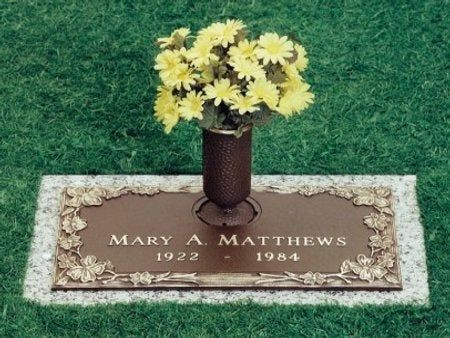
Some cemeteries specify which materials are permitted. Granite is accepted almost universally, while marble may be restricted in newer sections due to its tendency to weather more quickly. Bronze markers are commonly permitted in memorial parks, sometimes as the only approved option in certain sections.

Single vs. Double Interment Monuments

If a monument is intended to eventually serve two people, such as a husband and wife, there may be regulations regarding the size of the base or the placement of the stone relative to both grave sites. It is worth discussing your long-term intentions with both the cemetery and your monument provider from the start.

The Philadelphia Area: A Diverse Cemetery Landscape

The greater Philadelphia region encompasses an extraordinarily wide variety of cemeteries, from centuries-old churchyard burial grounds in the city itself to large, well-maintained memorial parks in Delaware County, Montgomery County, Chester County, and beyond. Historic cemeteries may have preservation-oriented restrictions that limit the types of modifications allowed to existing monuments, while newer memorial parks often have highly standardized appearance requirements.

For families in communities such as Upper Darby, Media, Norristown, and the surrounding areas, navigating this variety can feel overwhelming. The regulations at a cemetery in one township may look nothing like those at a cemetery just a few miles away. This is precisely why working with a monument company that has deep familiarity with local cemeteries is so valuable.

What to Ask the Cemetery Before You Begin

Before meeting with a monument company, contact the cemetery's office and ask the following questions. What are the approved monument types for the specific section where your loved one is buried? Are there height, width, or weight restrictions? What foundation specifications are required? Are there rules about the use of photographs, symbols, or certain types of artwork? Is there an approval process, and if so, how long does it take?

Having this information in hand before your design consultation will allow you and your monument provider to work within the correct parameters from the very beginning, avoiding delays later in the process.

How an Experienced Monument Company Can Help

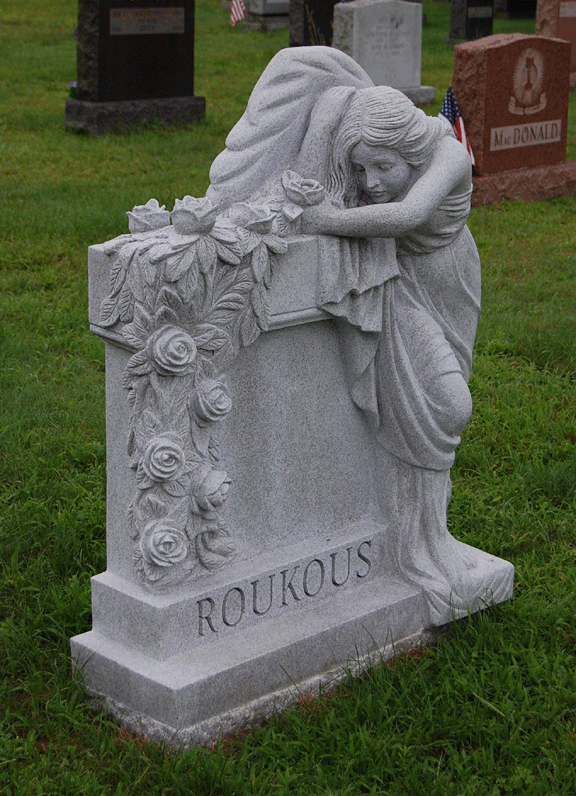
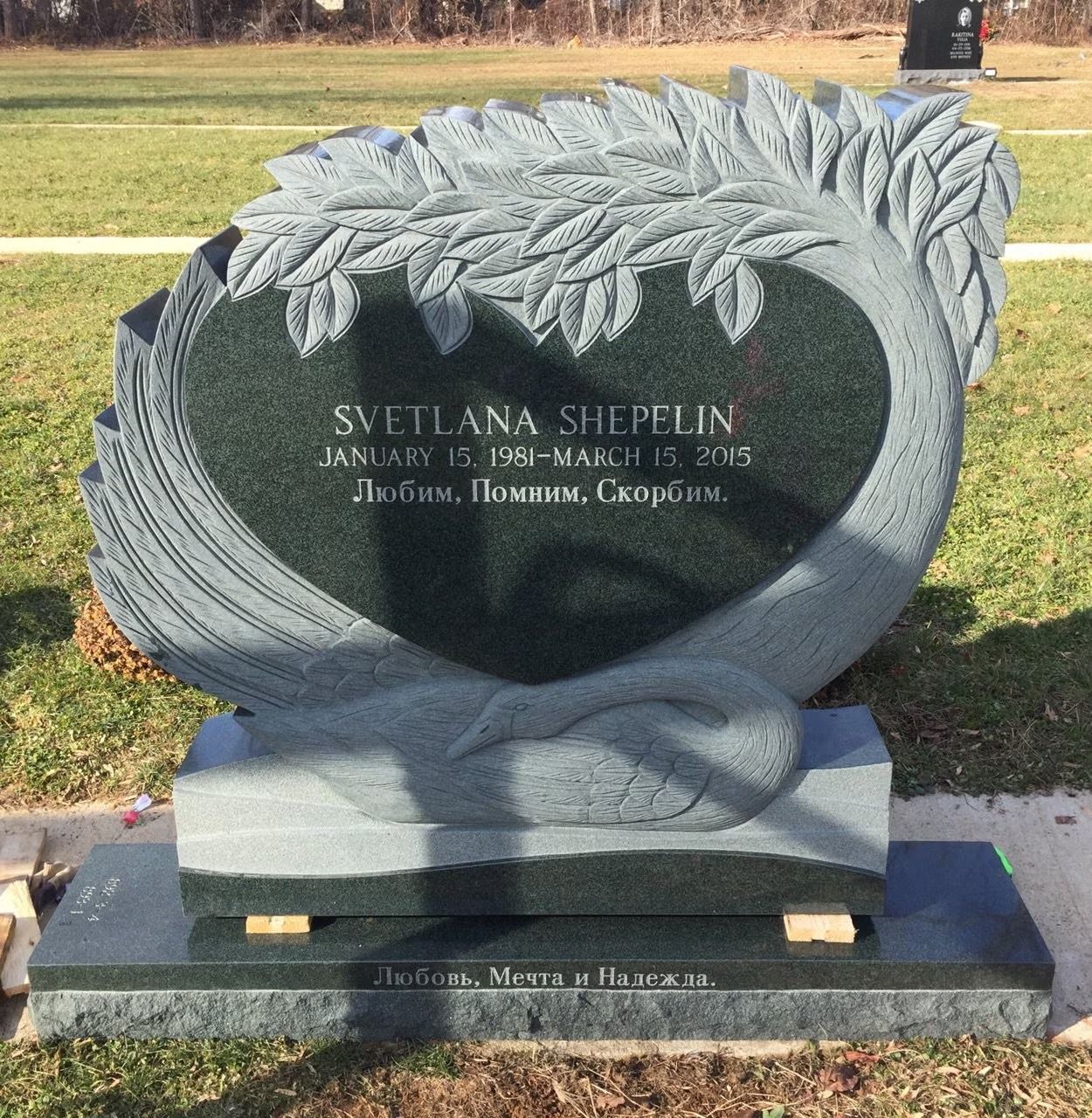
A monument company with extensive knowledge of Philadelphia-area cemeteries can serve as an important guide throughout this process. They will already be familiar with the regulations at many of the cemeteries you are likely to encounter, and they can help you select a custom design that not only honors your loved one beautifully but also meets the specific requirements of the cemetery where it will be placed.

They can also advise on material selection. Understanding the difference between available domestic and imported stone options, for example, can help you make a choice that satisfies both cemetery guidelines and your own aesthetic preferences.

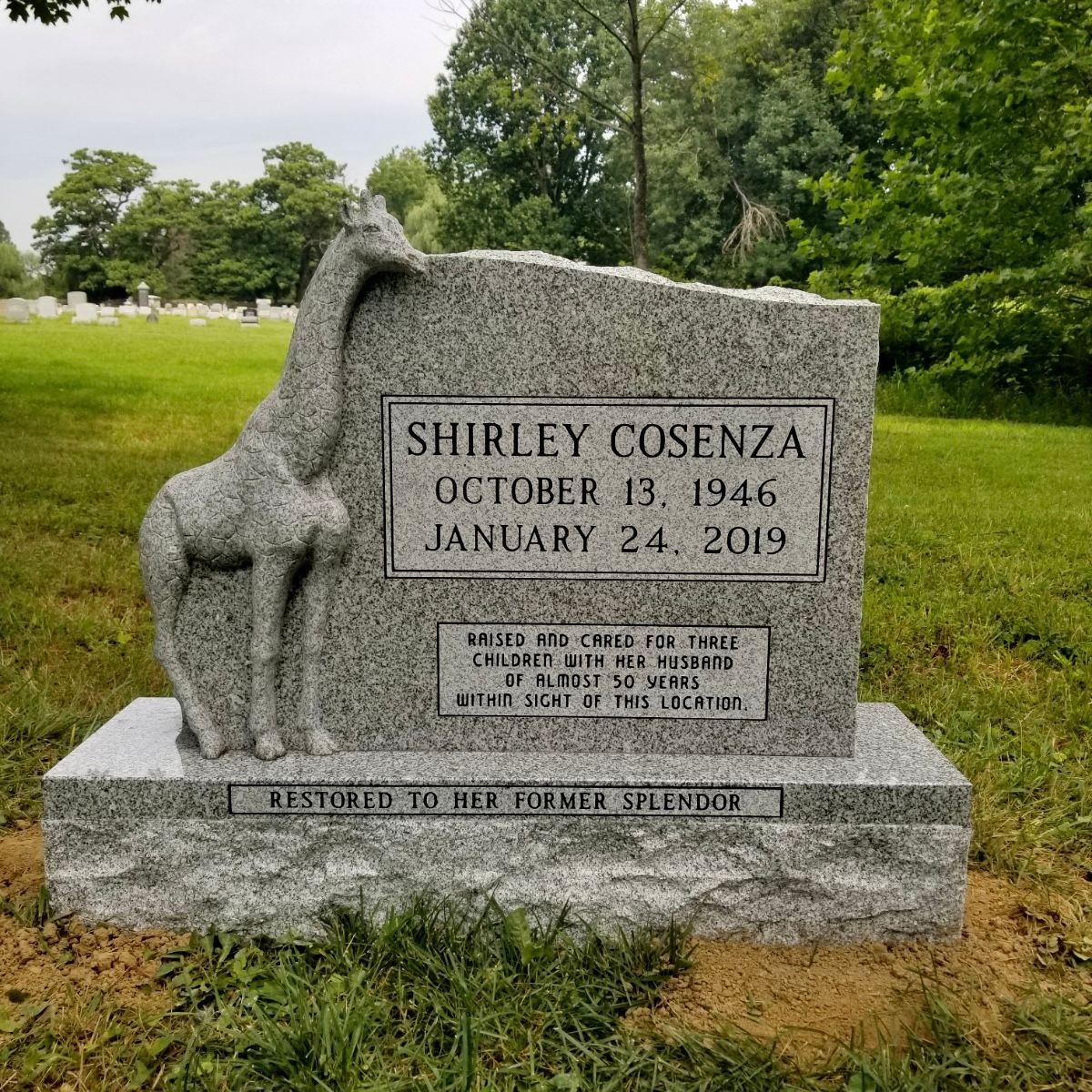
If you are considering adding to or updating a monument that is already in place, an experienced provider can also assist with on-site cleaning, repairs, and restoration, ensuring that any modifications are made carefully and in compliance with cemetery rules.

Moving Forward with Confidence

Purchasing a headstone is an act of love, and it should feel that way from beginning to end. Understanding cemetery regulations is simply one part of the process, and with the right guidance, it need not be a stressful one.

The team at Montrose Memorials has been serving families throughout the Philadelphia region for more than 100 years, and they bring extensive knowledge of local cemetery requirements to every project. If you are ready to begin, or simply have questions about what is possible, you are welcome to reach out to the Montrose Memorials team for a free, no-obligation conversation.

Recent Posts

By Montrose Memorials August 25, 2026
A guide to slant markers, a popular memorial style in the Philadelphia area, covering what they are, why families choose them, and design and personalization options.
Granite vs. Bronze: Which Memorial Material Should You Choose
By FCM Management July 22, 2026
Material selection is not a purely aesthetic decision. The material you choose affects how the memorial looks on the day it is installed, how it weathers over years and decades, what kind of personalization it can support, and how much maintenance it will require over time.
Design and Install Custom Headstone
By FCM Management July 22, 2026
For a custom headstone, families should generally expect the full process from initial design consultation through completed installation to take anywhere from six to twelve weeks. In some cases, particularly for more intricate designs or during busy seasons, the timeline may extend further. Simpler memorials with stan
Headstones, Grave Markers, and Monuments
By FCM Management July 7, 2026
Understanding the distinctions between headstones, grave markers, and monuments can help you make a more informed decision and ensure the memorial you choose truly fits your vision, your budget, and the requirements of the cemetery.
Choosing a Headstone or Monument
By FCM Management July 7, 2026
Working with a monument company that is deeply familiar with local cemetery regulations makes this step significantly less stressful.